
Some RSS News feeds from NASA, ESA and Astronomy Now Magazine.
Links will open a new page.
- Earth from Space: West Antarctica
 on 16 October 2026 at 8:00 am
Image: This image over part of West Antarctica was captured by Copernicus Sentinel-3 on 30 September 2026.
- Week in images: 12-16 October 2026on 13 October 2026 at 1:10 pm
Week in images: 12-16 October 2026 Discover our week through the lens
- Mars moon lander set to launch on 19 Octoberon 13 October 2026 at 12:00 pm
The Martian Moons eXploration (MMX) mission is set to launch into space on a H3 rocket from the Tanegashima Space Center at 04:41 JST on 20 October 2026 (20:41 BST / 21:41 CEST on 19 October 2026). MMX will be the first mission to collect a sample from Mars’s moon Phobos and bring it back to Earth. MMX is led by the Japan Aerospace Exploration Agency (JAXA), in collaboration with the National Aeronautics and Space Administration (NASA), the French space agency (CNES), the German Aerospace Center (DLR) and the European Space Agency (ESA).
- Welcome home, Sophie Adenoton 12 October 2026 at 1:00 pm
Video: 00:02:54 After 237 days and over 3,700 orbits around Earth aboard the International Space Station, Sophie Adenot is back on Earth!Following a handover to Crew-13, Sophie and her Crew-12 crewmates undocked on 7 October and splashed down off the coast of California the next day.Now back in Europe, Sophie will begin her post-flight data collection and rehabilitation while readjusting to life on Earth after the longest mission in space by a European astronaut so far.Welcome home, Sophie!
- ESA astronaut Sophie Adenot returns from her first mission to the International Space Stationon 10 October 2026 at 9:01 am
ESA astronaut Sophie Adenot has arrived back in Europe, landing in Cologne, Germany, following her return to Earth with Crew-12 after 237 days, nearly eight months, aboard the International Space Station for her εpsilon mission.


Astronomy Now The UK’s best stargazing magazine
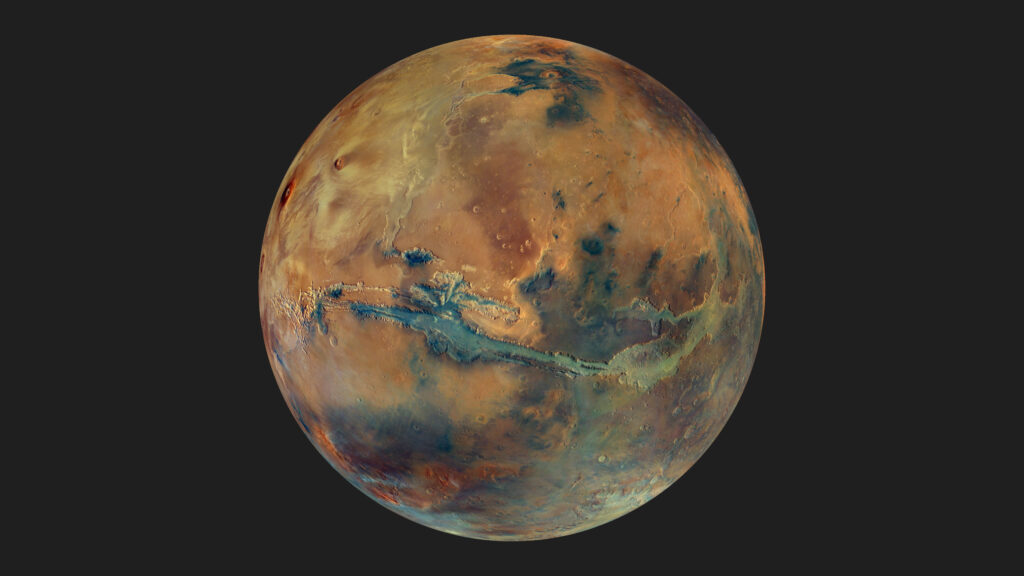
- Happy New Year, Mars! The Red Planet is turning 39by Stuart Clark on 29 September 2026 at 12:46 pm
On 30 September the Red Planet officially begins Mars Year 39. Which is quite an achievement for a world that is actually more than 4.5 billion years old.
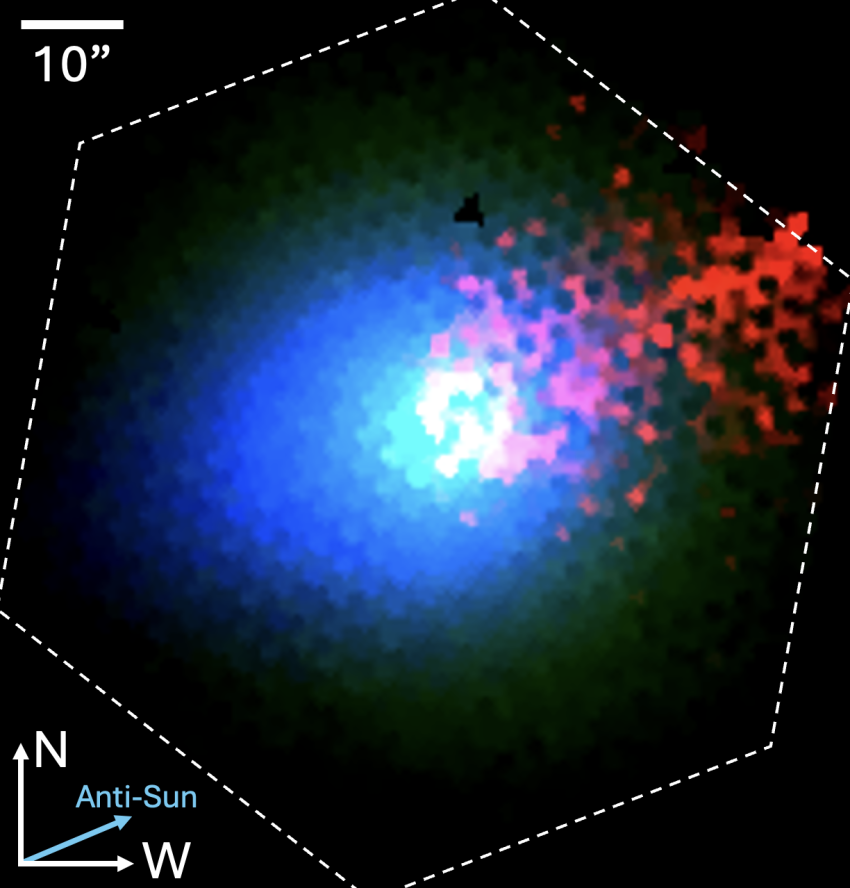
- 3I/ATLAS was born in the deep freezeby Stuart Clark on 8 September 2026 at 12:05 pm
Another piece of evidence suggests that this visitor formed in the bitterly cold outer reaches of a distant planetary system.
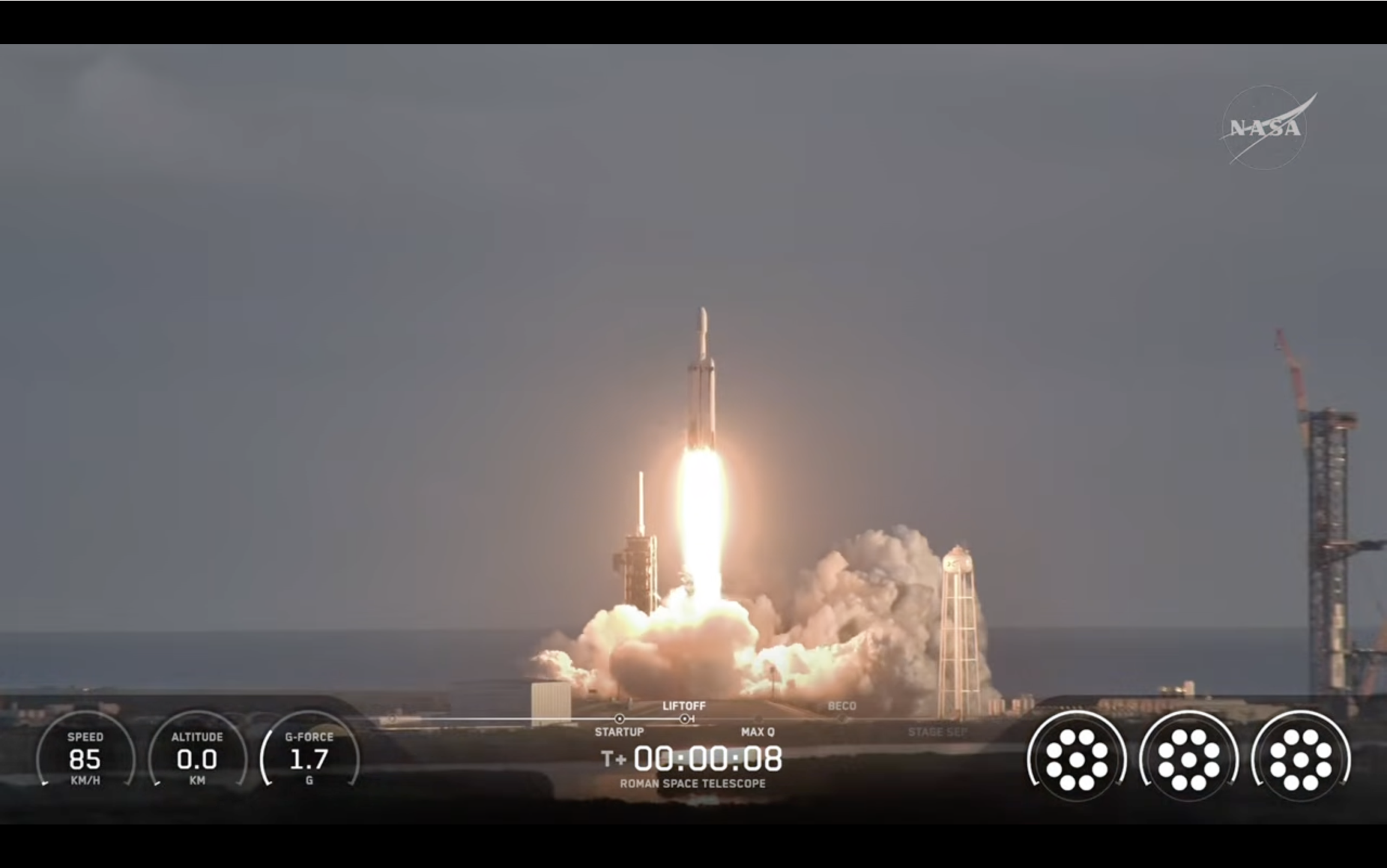
- Roman Space Telescope launches on mission to survey the Universeby Stuart Clark on 30 August 2026 at 12:16 pm
NASA’s Nancy Grace Roman Space Telescope has begun its journey into space, starting a mission that will survey the Universe on an unprecedented scale in search of clues to dark energy, dark matter and worlds beyond our Solar System.
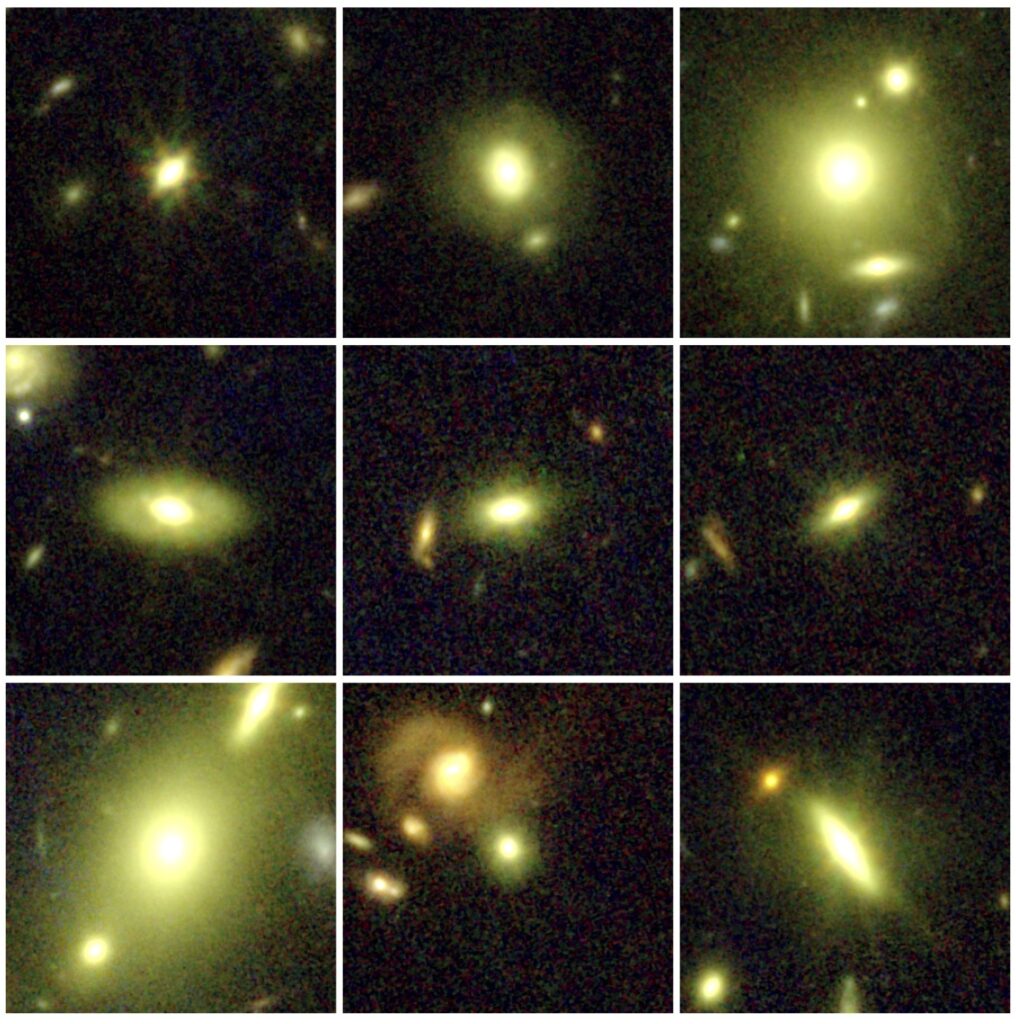
- JWST’s ‘impossible’ early galaxies may be even more massive than we thoughtby Stuart Clark on 24 August 2026 at 10:42 am
Faint, low-mass stars could be hiding much of the mass in distant galaxies, making the surprisingly large galaxies discovered by JWST in the early Universe even harder to explain.
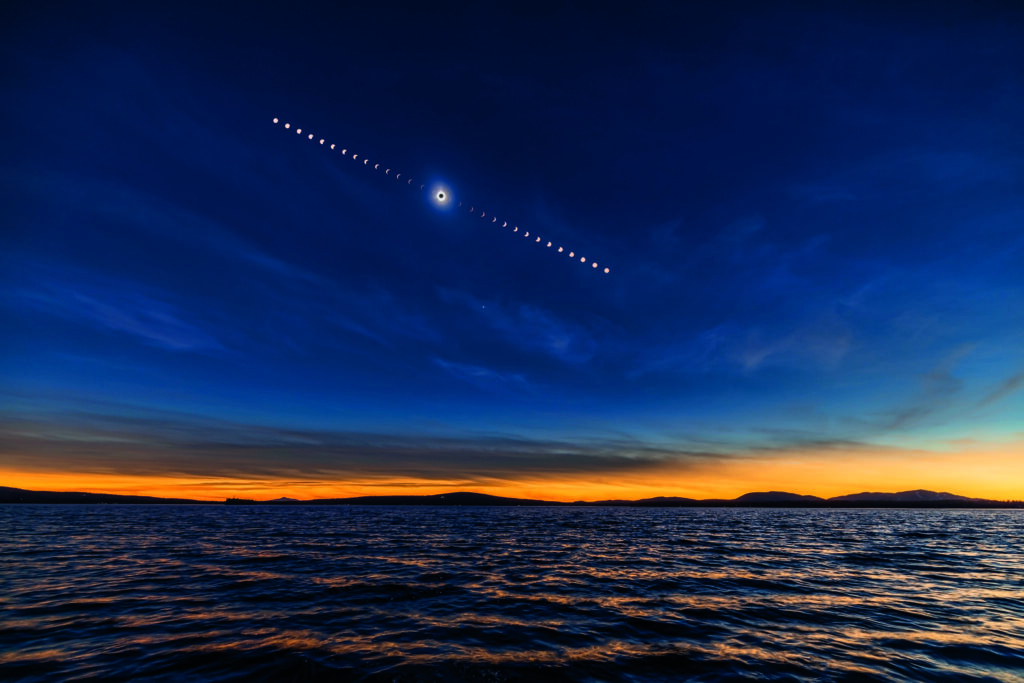
- How to observe the 12 August 2026 solar eclipseby Emily Baldwin-Fiebrich on 7 August 2026 at 1:39 pm
On the evening of 12 August 2026, the Moon will pass between Earth and the Sun, producing a striking solar eclipse. Find out how, when and where to observe it safely.