




Meetings
Our meetings take place on the first Thursday of the month at Surrey University and via Zoom.
Latest news
News feeds from NASA, ESA and others
Join us
Want to join GAS?
Contact us to find our more.
About us
Everyone is welcome
from beginners to
experienced observers.
Like most local Societies, we exist mainly as a forum for satisfying our own personal interest and enjoyment of the subject we’re passionate about: Astronomy.
MONTHLY MEETINGS
Our meetings are held at Surrey University, Lecture Theatre M. The meeting will also be streamed to members via Zoom.
Every month we have a guest speaker and usually a presentation of what you can expect to see in the night sky during the month.
Our next meeting will be held on
2nd July at 19.30
“The GAS AGM”
Hosted by Colin McGill GAS President
GAS Members Only
JuLY’s sPEAKER:
. .
.
For further details scroll down our meetings page
After the Break
This Month’s What’s Up
.
.
Join US
Become a member
Membership of our society will allow you to attend all meetings and participate in all events organised by us.
Our history
Find out more about how we started from our humble beginnings back in 1955 to today.
Gallery
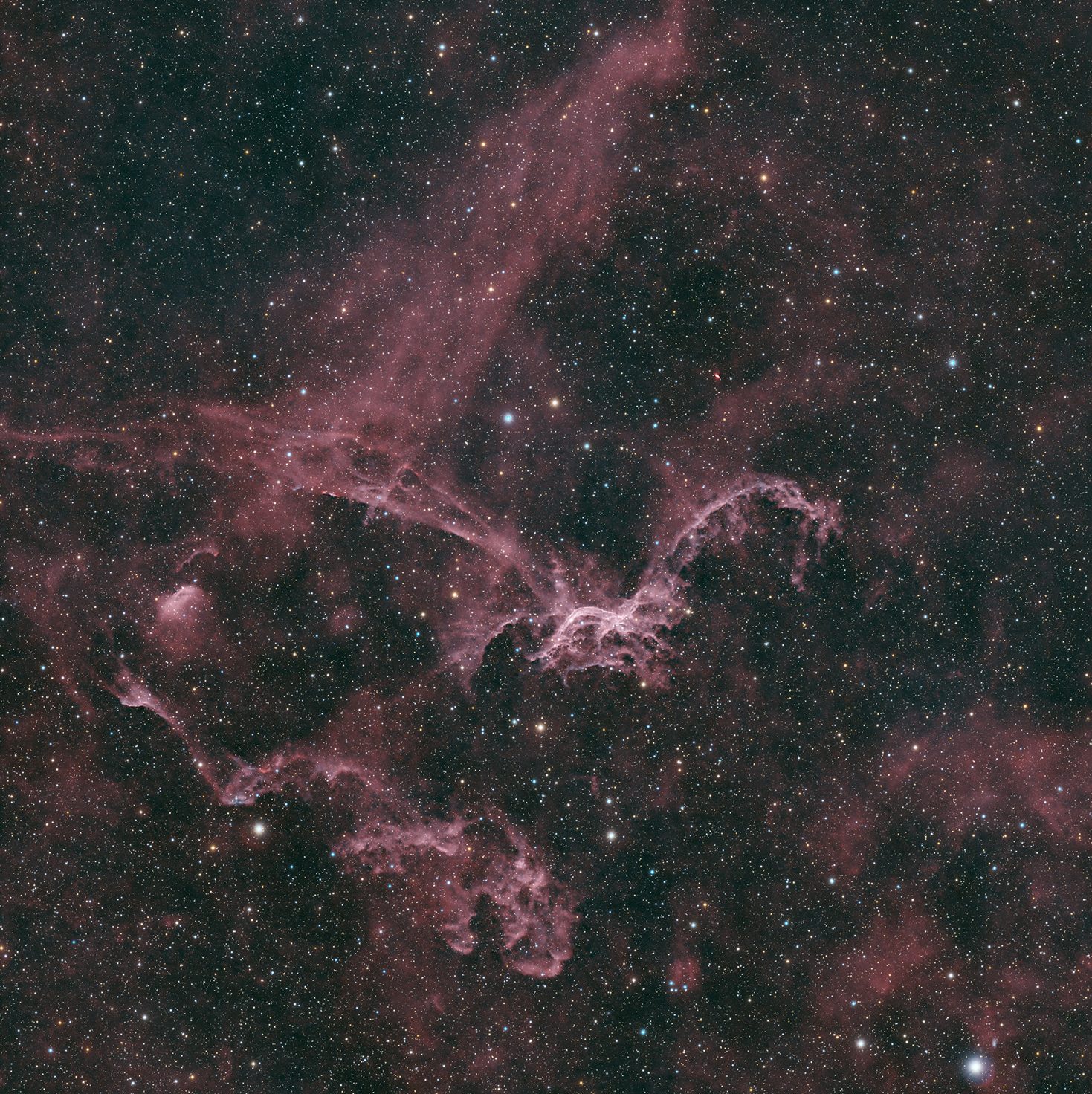
Here are some of the recent stunning images taken by our members…
Just click an image to go to the page


SUN AND MOON PHASES
Find out more about the sun and moon phases using the links below.
Opens other websites in a new window
Set your own location in the SunCalc website
